How to Write a Successful Grant Proposal: Insights from D B Pyoas & Associates


Understanding the Basics of Grant Proposals
Writing a successful grant proposal is both an art and a science. Whether you're seeking funding for a nonprofit project or a business initiative, understanding the fundamentals is crucial. Grant proposals require a clear articulation of your goals, a compelling narrative, and a detailed budget.
Research: The Foundation of Success
Before you start writing, thorough research is essential. Identify potential funders whose missions align with your project. Look into their past funding history and guidelines. This step helps tailor your proposal to meet their specific criteria, increasing your chances of success.
Crafting a Compelling Narrative
Your proposal should tell a story that captivates the reader. Begin with a strong introduction that outlines the problem your project addresses. Provide a detailed description of your project, including objectives and expected outcomes. Ensure your narrative is logical and engaging.

Defining Clear Objectives
Clearly define the objectives of your project. Objectives should be specific, measurable, achievable, relevant, and time-bound (SMART). This helps funders understand exactly what you aim to accomplish and how success will be measured.
Building a Detailed Budget
A well-prepared budget is a critical component of a successful grant proposal. Break down costs into categories such as personnel, materials, and overhead. Justify each expense to demonstrate the necessity and efficiency of funding allocation.

Demonstrating Impact
Funders want to know the potential impact of their investment. Highlight the benefits your project will bring to the community or target audience. Use data and testimonials to support your claims, and explain how you will measure your project's success.
Editing and Reviewing
Once your proposal is complete, review it thoroughly. Check for clarity, coherence, and alignment with funder guidelines. Having a colleague or professional review your proposal can provide valuable feedback and help catch any errors.
Submission and Follow-up
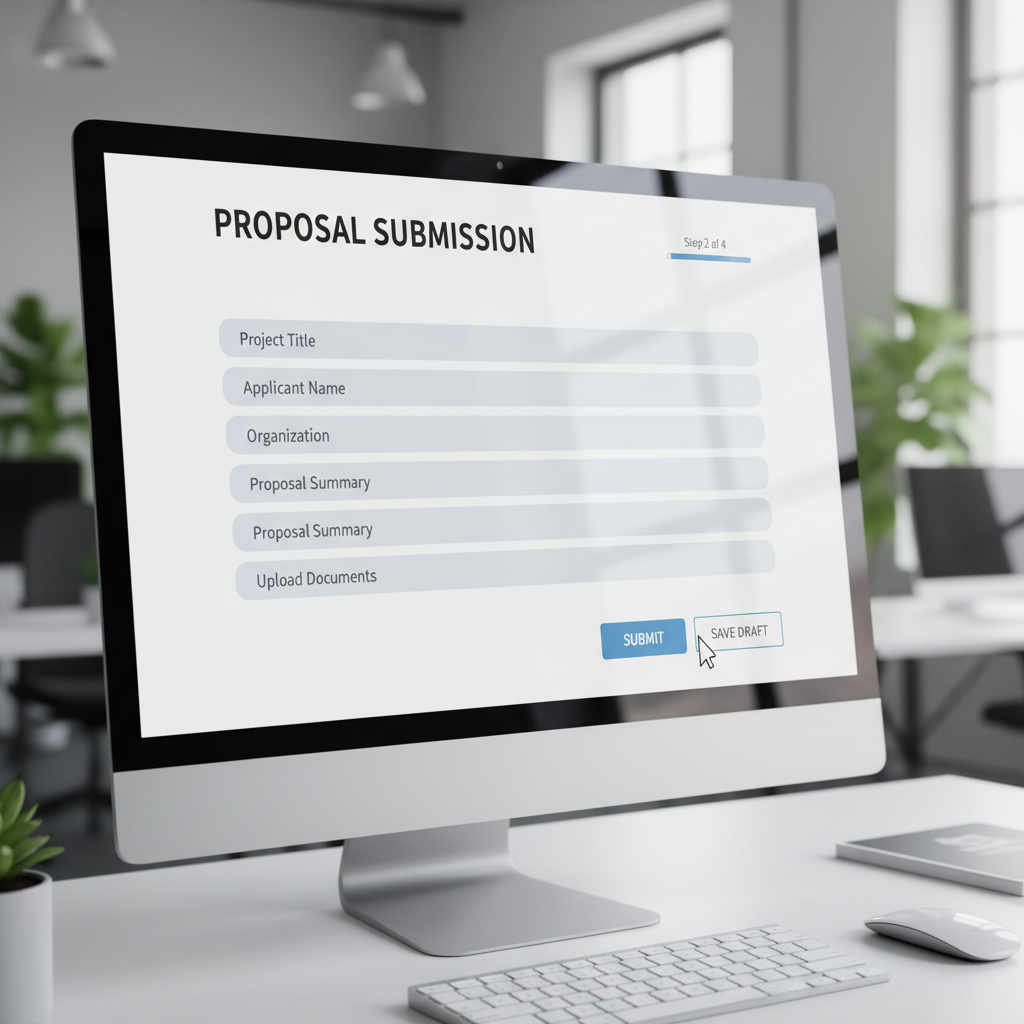
Submit your proposal according to the funder's instructions. After submission, follow up to confirm receipt and inquire about the timeline for decisions. This shows professionalism and keeps you informed about the status of your request.
Learning from Feedback
Whether your proposal is accepted or not, seek feedback from the funder. Understanding their perspective can provide insights for future proposals. Continuous improvement is key to long-term success in grant writing.
By following these insights from D B Pyoas & Associates, you'll be better equipped to write a grant proposal that stands out and increases your chances of securing funding.